😱 😨 Pneumonia, kidney failure, and more: 😱 😨 how your kitchen sponge could pose a danger to your health ❌. Find the details in the first comment👇 👇 👇
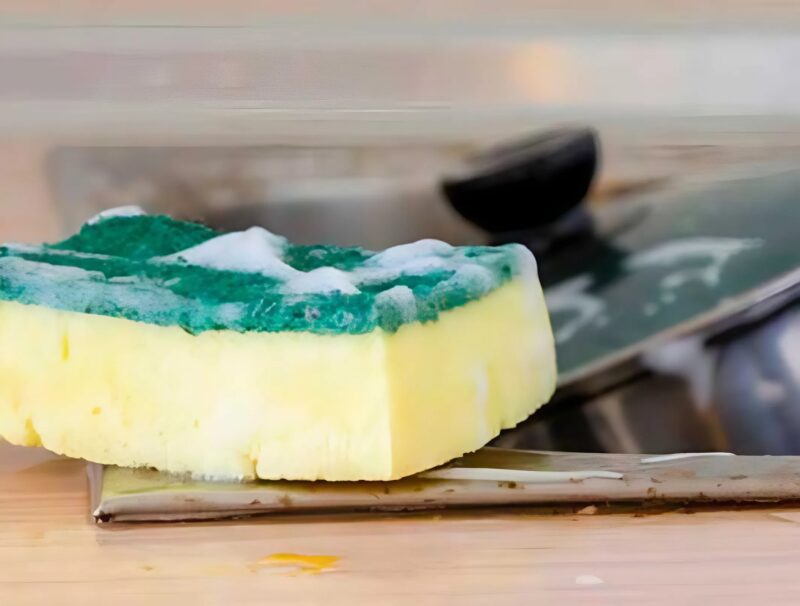
Although your kitchen sponge may seem like a simple cleaning tool, it actually hides a breeding ground for dangerous bacteria that can put your health at risk. This everyday household item, used to clean dishes and surfaces, is an ideal breeding ground for many microbes. Here’s how your sponge could harm your well-being and how to minimize the risks.
Content
- Sponges harbor many bacteria
- Common cleaning methods are not enough
- Sponges spread bacteria in your kitchen
- Sponges rarely dry completely
- Bad odors reveal the presence of dangerous bacteria
- Your sponge could contain bacteria similar to fecal matter
- Cleaning after handling raw meat with a sponge is risky
- Old sponges are even more dangerous
- Sponges harbor many bacteria
Did you know that your kitchen sponge is one of the most contaminated items in your home? Studies show that it contains more bacteria than your toilet. The combination of food debris, moisture, and lack of ventilation creates the perfect environment for harmful bacteria like Salmonella and E. coli.
Alarming figures: One sponge can harbor billions of bacteria, far more than the global population.
Health risks: These germs can cause foodborne illnesses, leading to symptoms like diarrhea, vomiting, or abdominal pain.
- Common cleaning methods are not enough
Do you think microwaving your sponge or soaking it in boiling water will eliminate all the bacteria? It’s not that simple. While these methods may reduce the number of microbes, they don’t eliminate them completely and can sometimes even make the situation worse.
The superbug problem: Studies show that these techniques kill the weaker bacteria, leaving the more resistant strains to thrive.
Quick recolonization: The most resistant microbes multiply rapidly, making cleaning attempts nearly ineffective.