😱 😱 If you go to the beach and see an area without waves, do not approach it. 😱 😨
When you go to the beach and notice a wave-free zone, 😨 🫢 it is best to keep your distance. Here’s why 👇 👇 👇
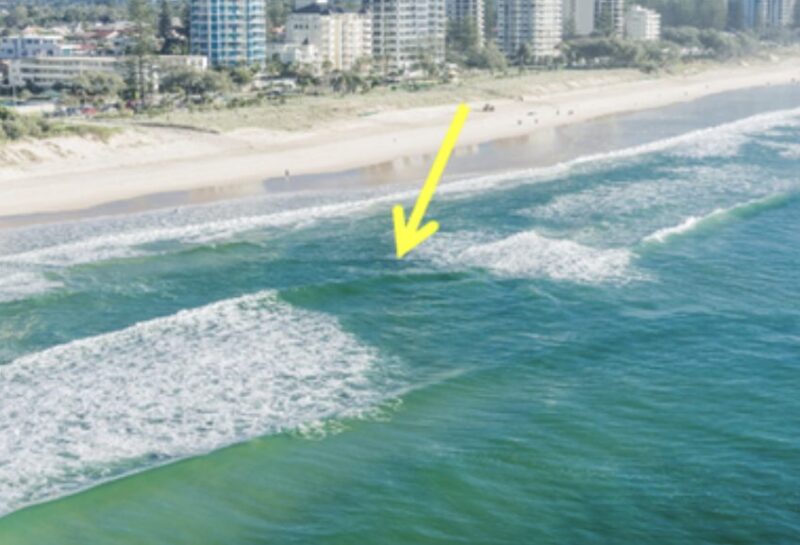
These currents can carry even the most experienced swimmers out to sea at a speed that an Olympic athlete might struggle to return to the shore. In fact, rip currents are responsible for nearly 80% of drowning accidents in marine environments.
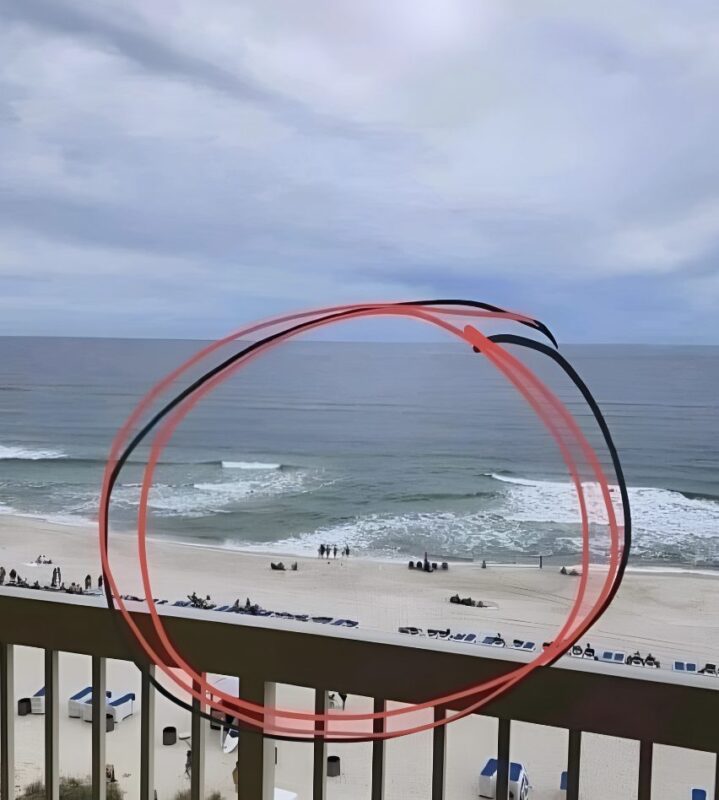
If you find yourself caught in such a current, it’s essential to remain calm. Swim horizontally, parallel to the shore, to escape the force of the current, rather than struggling to swim directly back to the beach. Once you are out of the current, you can then swim towards the shore at an angle.
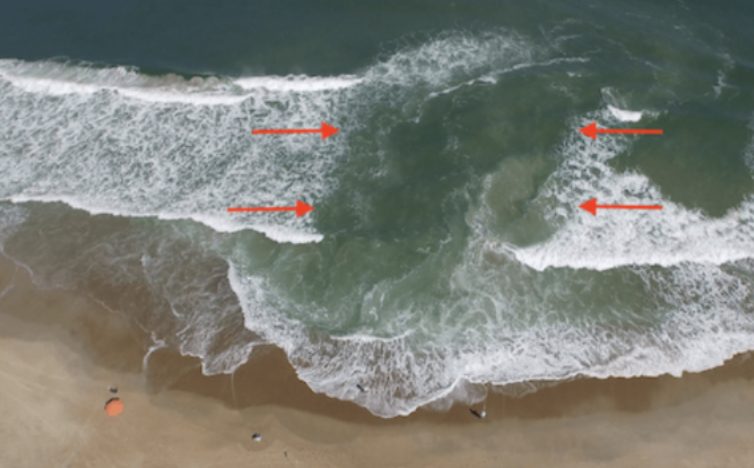
To better identify a dangerous current, learn to recognize the signs, such as murky water or areas where the waves break differently. Life Saving Victoria offers tests and advice to help you spot these currents.
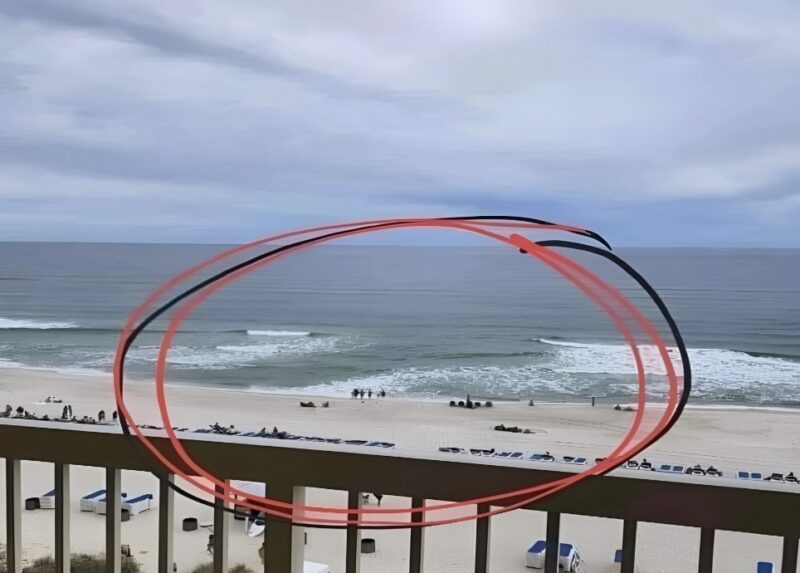
It is also helpful to familiarize yourself with beach safety flags: a red flag indicates a no-swimming zone, while a yellow flag signals increased caution. Always remember to swim in monitored areas and don’t hesitate to ask lifeguards for advice.
Share this information with your family and friends to ensure their safety during beach outings.