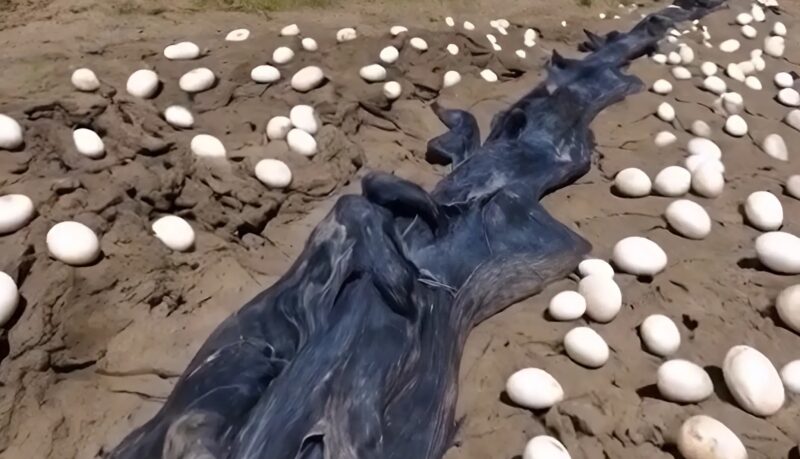
A farmer found dozens of small eggs scattered across his field after a light rain 😱 The eggs seemed too large for insects and too small for birds.
The farmer decided to contact a biologist he knew, and they were shocked when they found out whose eggs they were 😲😲 Continued in the first comment 👇👇

One early morning, 64-year-old farmer Thomas Reiner from Nebraska went out as usual to check his soybean fields.
He had been living alone since his wife passed away, and every morning was the same—until the day he noticed something strange among the shoots.
On a patch of land where a light rain had recently fallen, there were dozens of small, translucent eggs with a bluish-gray tint.
They were scattered as if someone had deliberately spread them out. Thomas had never seen anything like it before. The eggs seemed too large for insects and too small for birds.
He decided not to touch them but took photos and sent the pictures to a local biologist.
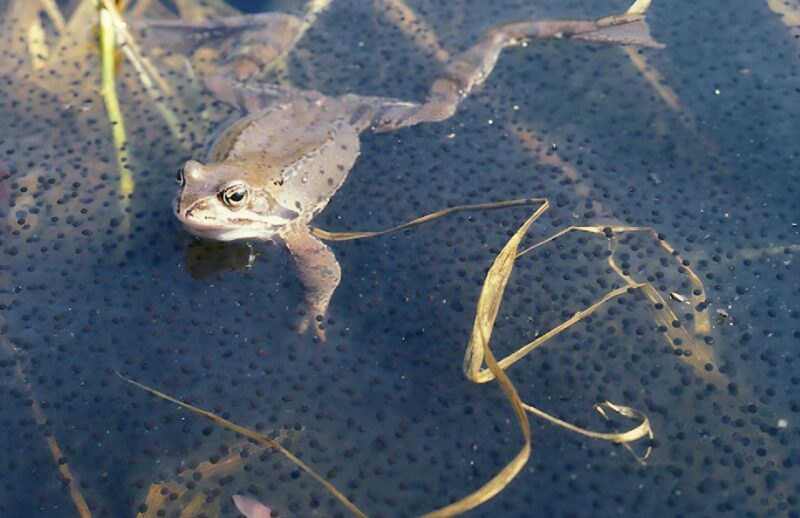
The next day, specialists from the University of Nebraska came. After examining the site, they quickly determined that it was neither an anomaly nor a biological threat.
Thomas had come across a clutch of amphibian eggs from a species called the spotted tree frog, which scientists say is becoming increasingly common in the region due to climate change and higher humidity.
What was unusual was that the eggs were not in water, as is normally the case, but on the soil—this is rare.
Biologists explained that the female might have laid the eggs after a heavy rain in a temporary puddle formed between rows of plants. Perhaps she made a mistake—or tried to adapt to the new conditions.
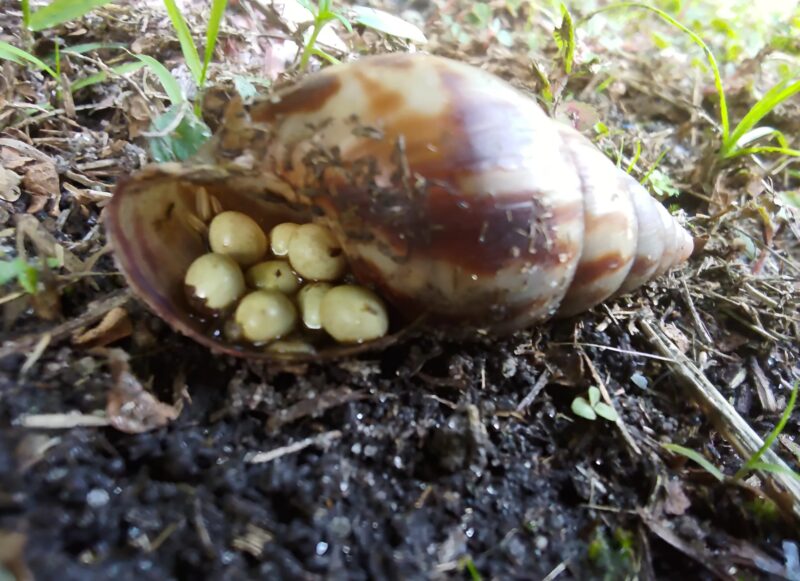
To Thomas’s surprise, after a few days tiny tadpoles actually hatched from some of the eggs. He set aside a small area and filled it with water so they could continue developing.
Unfortunately, the other eggs died because the soil dried out quickly.