⚠️ Beware of Small Black Eggs on Walls or in Your Garden: An Important Warning. ⚠️ If you notice small black eggs on a wall or in your garden, 😱 😨 be aware that they could be a sign of a serious problem in your home. 🔍 Discover all the details in the article below! 👇 👇 👇
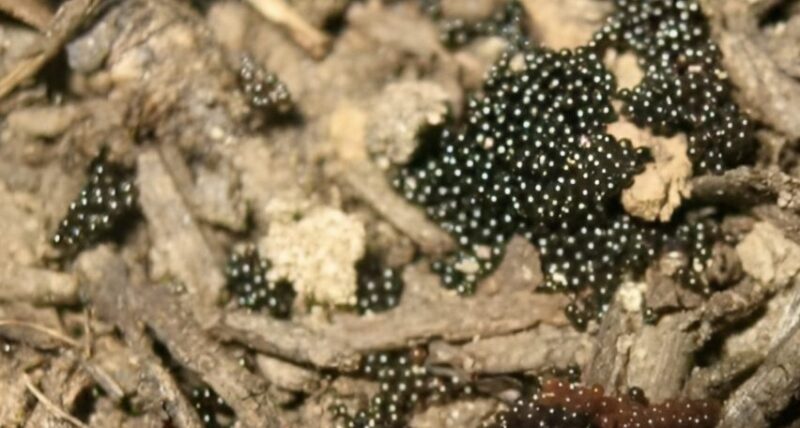
If you spot these eggs in your outdoor space, it is crucial to burn them immediately.
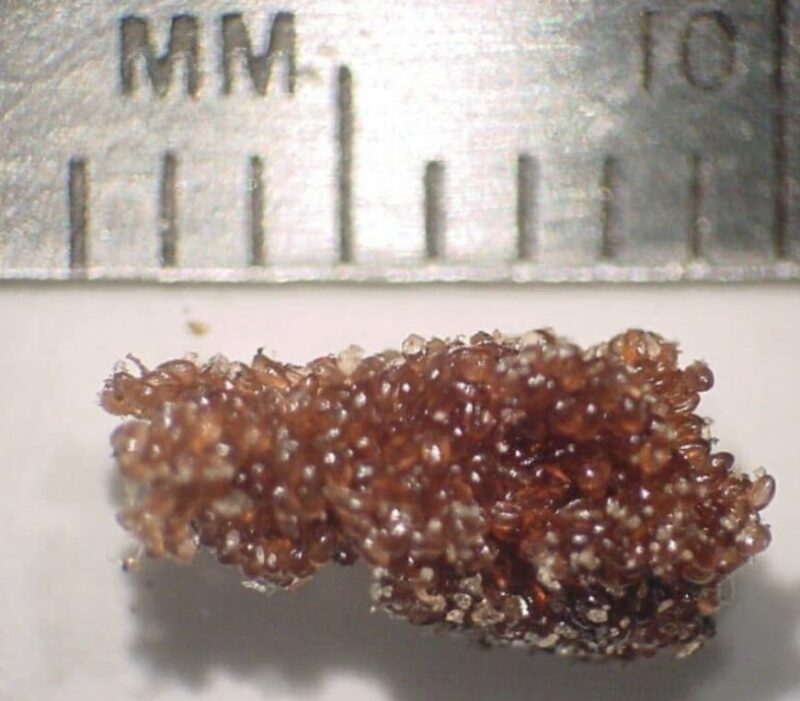
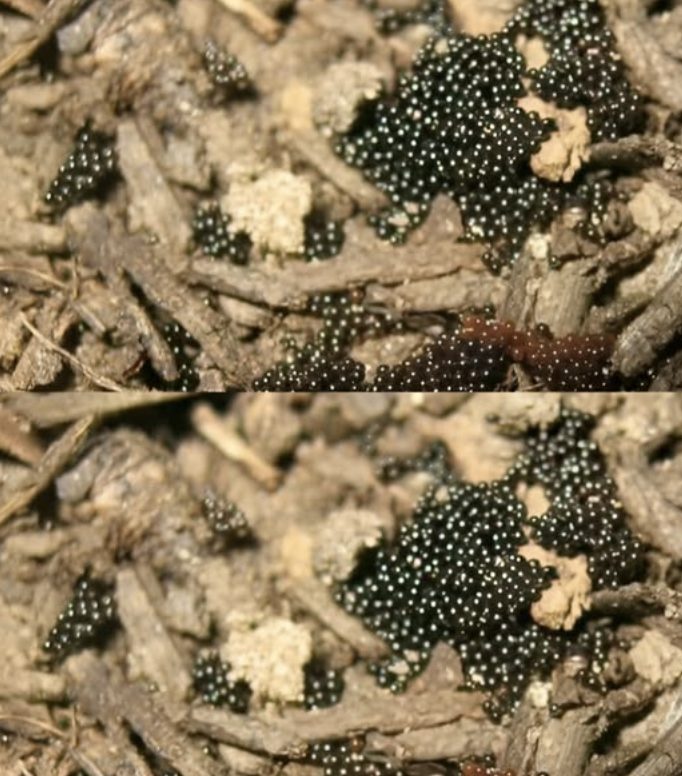
Finding tick eggs in your garden is a warning sign that should not be ignored. These parasites, known for their ability to spread various diseases, lay their eggs in sheltered and humid areas, which can mark the beginning of an infestation that is difficult to control. This comprehensive guide provides essential information and steps to identify, handle, and prevent the presence of these eggs.
- Preventive and Corrective Measures to Consider
- Remove plants that attract deer
- Favor the planting of repellent plants
- Maintain a well-kept lawn
- Manage woodpiles and other debris
- Limit the presence of small hosts
- Use natural repellents
- Opt for tick control devices
- Install rough surfaces
- Create vegetation-free zones
- Use insecticides with caution
Preventive and Corrective Measures to Consider
Remove plants that attract deer
Ticks carried by deer, often responsible for spreading Lyme disease, can be controlled by eliminating certain plants such as tulips, hostas, and azaleas, which attract these animals.
Favor the planting of repellent plants
Certain herbs like mint and rosemary, as well as flowers such as chrysanthemums, are effective in keeping ticks away.
Maintain a well-kept lawn
Regular mowing and reducing thick brush and dense vegetation minimize hiding spots favorable to these parasites.
Manage woodpiles and other debris
Ticks prefer to lay their eggs in dark, humid areas; therefore, keep woodpiles elevated and placed away from your home to reduce risks.
Limit the presence of small hosts
Maintaining stone walls and avoiding bird feeders, which attract rodents that often carry ticks, helps lower the risk.
Use natural repellents
Products such as essential oils of cedarwood, neem, or citronella, as well as diatomaceous earth, can serve as eco-friendly alternatives to repel these parasites.
Opt for tick control devices
Tools like tick tubes, which do not require spraying, help eliminate ticks and prevent the spread of diseases.
Install rough surfaces
Incorporating lava rock or gravel mulch into your flower beds will make these areas less accessible to ticks.
Create vegetation-free zones
By favoring hardscaping arrangements, you reduce habitats suitable for these parasites.
Use insecticides with caution
If necessary, use appropriate insecticides such as synthetic pyrethroids or natural alternatives like cedar oil, following the recommended usage guidelines.
It is crucial to remain vigilant against a potential tick infestation. By properly identifying and treating the presence of tick eggs and implementing preventive measures in your garden, you will significantly reduce the risk of tick infestations and the transmission of associated diseases.
Always prioritize safety and do not hesitate to consult professionals for effective problem management.