Hair type, eye color, minor deformities, or hereditary diseases are examples of genes that can be passed down through generations. A baby might inherit their father’s nose and their grandmother’s eyes, but some might inherit distinctive, unusual traits.
The formation of our bodies is governed by molecules called DNA, which stands for Deoxyribonucleic Acid. These molecules contain genetic information unique to each individual, making them different and especially unique compared to others. Physical appearance, height, hair color—everything is determined by our genetic code.
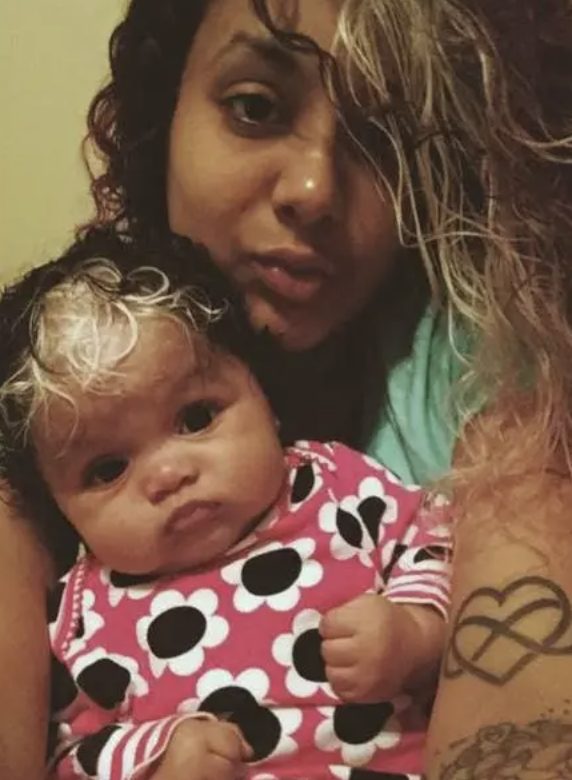
An example of genetic transmission made its way around social media and involved a baby born with unique hair.
Brianna is a mother living in South Carolina who gave birth to a daughter named Millianna, with a special distinction: a white streak on the front of her head. Brianna also has this special trait and is proud of it because it was passed down to her as well: At least four generations of women in her family have had this white streak in their hair.
At first glance, it might seem like the streak was done at a hairdresser, but it’s actually a natural and genetic hair streak.

This mother and her daughter have captivated thousands of internet users worldwide with their beautiful hair. Brianna knew that her daughter would inherit this unique family trait. Most of her hair is dark brown, except for a pure white streak above her forehead.
In addition to Millianna and her mother, the grandmother, Jaonne, also had this white streak. Jaonne was adopted as a child and didn’t know if her biological mother had the same gene.
Despite the discrimination Brianna faced during her youth when she was called a “skunk,” she is still happy that her daughter has the same hair trait. Today, this hereditary factor has become popular and even a subject of admiration. Not everyone has the chance to have such an exceptional family legacy.

This distinctive trait is called poliosis, which is a discoloration of a section of hair, either white or gray, while the rest of the hair maintains its natural color; this section of hair lacks pigment.
Poliosis is often associated with psychological or physical shock and other stress-related traumas. However, the true reasons for the appearance of poliosis are:
There is no treatment for the permanent change in hair color affected by poliosis. However, it can be made less visible with henna or natural hair dye, or by covering the head with a hat or other types of camouflage like headbands.
Nevertheless, many people with this condition are proud to showcase their hair, which makes them stand out as unique, special, and irresistible, and it might even become a seduction tool.